Are your solar panels underperforming? Or are you considering installing them and want to understand the potential risks first?
Solar panels are becoming increasingly popular across the UK as homeowners and businesses look for ways to reduce energy bills and lower their environmental impact.
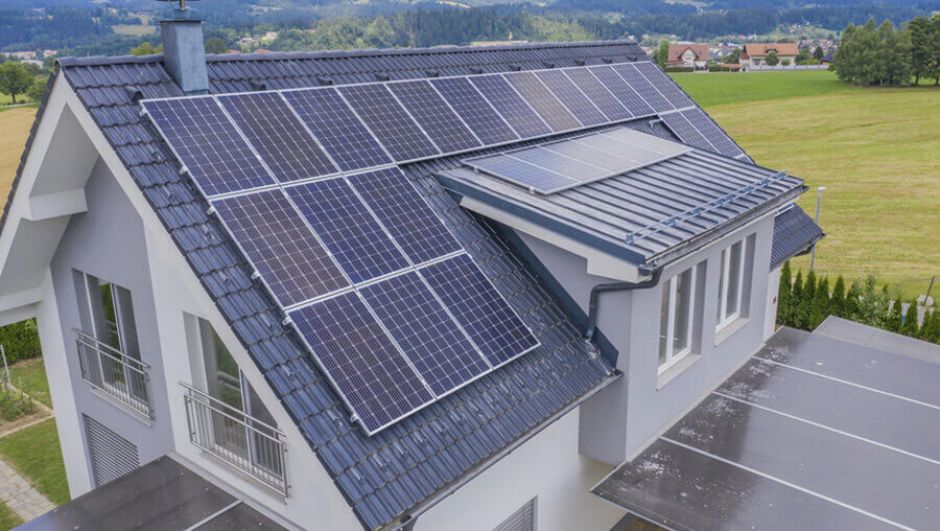
While properly installed and maintained solar panels aren’t harmful to roofs, problems can develop if the system is poorly installed, fitted to an unsuitable roof, or left without proper maintenance. Weather exposure, structural issues, and electrical faults can also affect performance over time.
In this guide, we explain the most common solar panel roof problems in the UK, what causes them, and how professional inspections and maintenance can help prevent costly issues.
Contents
- What Are the Benefits of Solar Panels?
- The Most Common Solar Panel Roof Performance Problems
- Solar Panel Installation and Roof Structure Problems
- Pitched Roofs vs Flat Roofs for Solar Panels
- How To Avoid and Detect Solar Panel Problems
- Are Solar Panels Worth It?
- FAQs
What Are the Benefits of Solar Panels?
Lower Energy Bills
Solar panels generate electricity during daylight hours, helping reduce the amount of energy you need to buy from the grid. This can significantly lower household or commercial energy bills over time.
Reduced Environmental Impact
Unlike fossil fuels such as coal and gas, solar energy is clean and renewable. Solar panels help reduce carbon emissions and support the UK’s move towards more sustainable energy sources.
Increased Property Value
Homes with solar panels are often more appealing to buyers due to their potential energy savings and improved environmental credentials. In some cases, a professionally installed solar panel system can increase property value.
Earn Money Through The Smart Export Guarantee (SEG)
Homeowners may also be able to earn money by exporting unused electricity back to the national grid through the government’s Smart Export Guarantee (SEG) scheme.
Under the SEG, energy suppliers pay for excess electricity generated by your solar panels. Rates vary depending on the provider and tariff, but payments can range from around 1p to 25p per kWh.
To qualify, you will typically need:
- An MCS-certified solar panel installation
- A working smart meter
The Most Common Solar Panel Roof Performance Problems In The UK
Solar panels do have some downsides and their performance can be affected by a range of factors. Without regular inspections and maintenance, small faults can gradually reduce efficiency and lead to more costly repairs over time.
Below are some of the most common solar panel problems found on UK roofs and how they can affect system performance.
Inverter and Electrical Issues
Inverters are one of the most important components in the solar panel system. They convert the direct current (DC) electricity which the system generates into usable alternating current (AC).
Because inverters operate continuously and are exposed to changing temperatures and electrical loads, they can become vulnerable to faults over time. Common issues include overheating, ageing components, and electrical failure, all of which can reduce the efficiency of the system.
Voltage Stress
Potential Induced Degradation, often referred to as PID, is a performance issue caused by voltage differences between the solar cells and the panel frame.
This can lead to electrical leakage currents within the system, gradually reducing the efficiency and output of the panels. PID is usually invisible during a visual inspection and may only become noticeable once energy production has significantly dropped.
Dirt & Debris
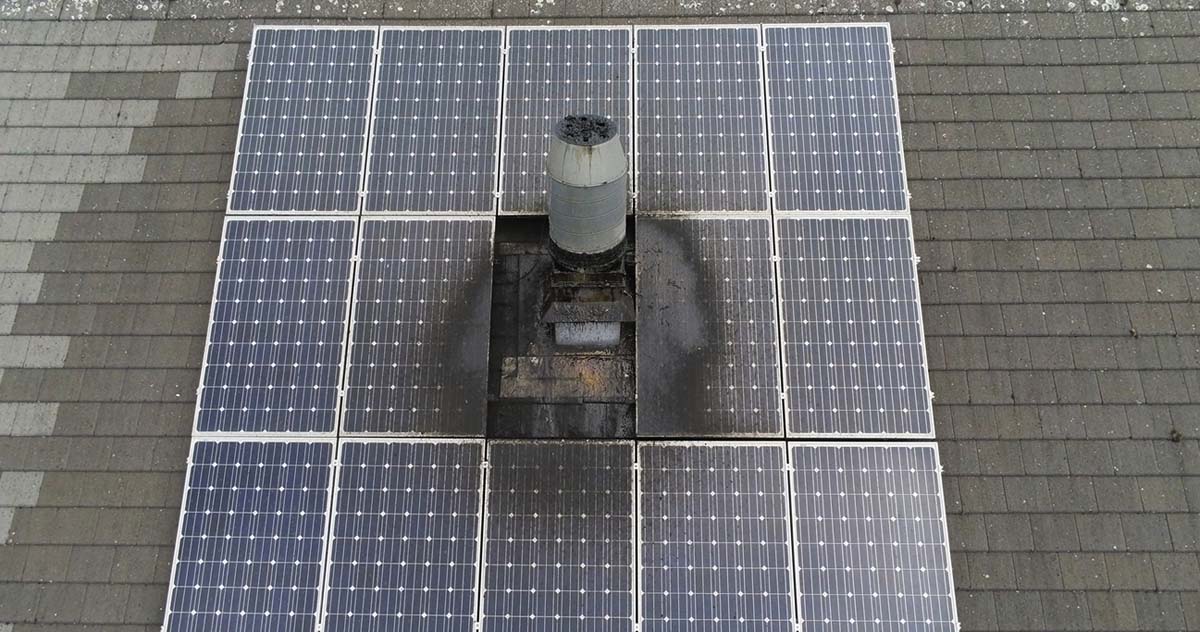
Any excess dirt, debris or other coverings that settle on solar panels can block sunlight from reaching the cells. Even partial obstruction can reduce the amount of electricity the panels generate.
Hot Spots
A hot spot is where a small area of the structure overheats.
This is caused by flaws developing in an area of the panels, such as the partial shading of an area or soiling as a result of things such as falling debris or bird droppings.
Hot spots can impact performance by damaging an area of the solar panel or by blocking an area from being exposed to the sunlight. Alongside this, they can cause an unwanted visual distraction, such as dirt being visible to homeowners and passersby.
Hot spots can initially be difficult to find, but an inspection can help to detect them early.
Birds Nesting
Bird nesting is a common issue with roof-mounted solar panels in the UK. Birds may build nests beneath the panels, where the sheltered space provides warmth and protection.
This can lead to blocked airflow, damaged cabling, increased fire risk, and reduced system efficiency.
Help can be provided by installing mitigation methods, such as bird mesh or spikes, which act as a barrier to stop the animals from making it their home.
Shading from Roof Plant and Equipment
A new local development, such as a new building or the growth of trees, can create additional shading to a previously installed solar panel, which can make it harder to absorb sunlight compared to previously.
This isn’t just if the whole structure is affected - partial shading can have a big impact. This is because each individual panel is wired together, and if so if one is affected, all are affected.
Bypass Diode Failure
Bypass diodes are designed to reduce the impact of partial shading by redirecting electrical current around affected cells.
If a bypass diode fails, shaded or damaged cells may begin to affect the performance of the entire panel or system. In some cases, this can also contribute to overheating and hot spots.
Solar Panel Installation and Roof Structure Problems
Not all solar panel problems are caused by the panels themselves. In many cases, issues arise because of poor installation practices, unsuitable roof structures, or long-term exposure to weather conditions.
Structural Considerations
Every roof is different, and not all properties are automatically suitable for solar panel installation. Roof age, structural condition, pitch, materials, and load-bearing capacity all need to be assessed before installation begins.
Older roofs or weakened structures may require repairs or reinforcement to safely support the additional weight of a solar panel system.
See more in our section later on about the positives and negatives of flat and pitched roofs for solar panels.
Installation Damage
Sometimes, problems can arise during installation which can impact a home or building.
The potential problems that could arise during installation are roof leaks, broken tiles or structural stress.
Micro Cracks
Micro cracks are tiny fractures which can be caused as a result of installation, during manufacturing or transit.
Although they are often invisible to the naked eye, these cracks can expand over time due to thermal cycling and changing weather conditions. If these aren’t picked up, affected panels may lose efficiency and generate less electricity.
High Up-Front Cost
In the long term, solar panels are a good investment as they can create savings on energy bills over an extended time frame.
However, they do have a high installation cost, which can be a significant investment. Costs can vary depending on roof size, accessibility, panel quality, battery storage, and structural requirements. While solar panels often pay for themselves over time through lower energy bills, they may not be suitable for those seeking short-term financial savings.
Mounting System Corrosion
Solar panel mounting systems are typically made from aluminium or stainless steel and can corrode over time. Over time, exposure to moisture, oxygen, pollutants, and heat can lead to corrosion. If left untreated, this may weaken the mounting system, affect electrical connections, or damage the panels themselves.
Wind Uplift and Racking Failure
The UK experiences strong winds and severe weather conditions, particularly in exposed coastal or elevated areas.
If solar panels are not properly secured, strong winds can place stress on the mounting system and roof structure. In extreme cases, poorly installed panels may loosen or become damaged, creating potential safety hazards.
Pitched Roofs Vs Flat Roofs For Solar Panels
Both flat and pitched roofs can be suitable for solar panel installation, but each comes with different advantages and limitations.
Benefits of Flat Roofs for Solar Panels
Flat roofs are those which are built to have a horizontal or almost horizontal surface.
Their main benefits are:
- Lots of room: Flat roofs often provide a larger usable surface area, allowing for more solar panels to be installed.
- Flexibility of panel orientation: The way the system is angled can impact how much sunlight is absorbed. Because flat roofs do not have a fixed pitch, mounting systems can be used to position solar panels at an angle that maximises sunlight exposure.
- Less visible from the ground: Solar panels installed on flat roofs are often less noticeable from the ground, which may be beneficial for homeowners concerned about the visual appearance of the system.
- Easier access for workers: Not all flat roofs are suitable for solar panel installation. But if they are, the installation process and any maintenance work can be easier.
Problems with Solar Panels on Flat Roofs
- Strength: Often, flat roofs aren’t strong enough for the addition of solar panels on their own. In this scenario, they will require the installation of an additional mounting system to make sure they can withstand the weight.
- Reaching the ideal angle: Flat roof solar panels usually require angled mounting frames to achieve the correct orientation for maximum efficiency, of around 35 degrees. This can increase installation complexity and overall project costs.
- Increase costs: Because of some of the potential extra developments outlined above, this can cause a higher installation cost than some customers expect.
Benefits of Pitched Roofs for Solar Panels
- Natural orientation: Because pitched roofs are generally angled between 35 and 40 degrees, this reduces the need for additional mounting systems.
- Lower Costs: Typically, a pitched roof will require less additional structural work. This can reduce the overall bill.
- Less exposure to wind: The angled design of pitched roofs can help reduce wind resistance, lowering stress on both the solar panels and the mounting system.
Problems with Solar Panels on Pitched Roofs
- Limited orientation control and fixed angle: With pitched roofs, the direction and angle of the roof are fixed. If the roof faces east, west, or north, the solar panels may receive less direct sunlight compared to a south-facing system.
- Less space: Pitched roofs often provide less usable space than flat roofs due to their shape, windows, chimneys, and roof layout, limiting the number of panels that can be installed.
- Roof age: Ageing roof timbers, damaged tiles, or existing roof defects may need to be repaired before solar panels can be safely fitted.
- More challenging maintenance: Maintenance and inspections on pitched roofs can be more challenging due to to conduct work on because of their access limitations. Should maintenance be needed, such as to fix hot spots, this creates an increased challenge for workers.
How To Avoid and Detect Solar Panel Problems
The good news is that while solar panels can come with problems, there are many effective ways to find and fix problems and to avoid them from developing in the first place. Here are some ways to manage the negative impacts of solar panels:
- Use MCS-certified installers: MCS is the UK’s quality mark for small-scale renewable energy technologies, who set and maintain standards to provide consumer protection. Their standards are developed in close consultation with the industry.
- Conduct a roof survey before installation: A survey means the roof’s condition can be checked to make sure it can withstand the increased load demands of a solar panel.
- Conduct maintenance: It’s a good idea to schedule bi-annual thermographic inspections. This is a reliable way to detect hot spots, PID, or any delamination such as material fracturing before visible damage occurs. Also, it’s good practice to conduct walkarounds every 3 months to inspect the roof, frame, and cabling.
- Install bird/pest proofing measures: Solar panel bird mesh or bird spike methods can prevent nesting and infestation.
- Regularly check your inverter dashboard: Most solar panel inverters provide real-time data on their performance. You can watch for output drops or, in some cases, set automated alerts for a drop in activity.
- Establish performance ratio benchmarks: Compare your actual generation against expected output using local solar irradiation data. You can do this on a tool such as PVGIS.
- Check data after big weather events: Extremes of weather, such as strong winds, heavy snow or hail, have the potential to cause damage to racking or panels.
Get support immediately after any underperformance:
If left untreated, the underperformance of even a single string will have a big impact over time, which could get worse.
So if you detect any issues, you should quickly seek advice from experts to check for any problems.
Find out more about our solar panel surveys and inspections!
Are Solar Panels Worth It?
Although solar panels can experience problems such as shading, electrical faults, bird nesting, or installation issues, most of these risks can be minimised through proper planning, professional installation, and regular maintenance.
For many UK property owners, the benefits continue to outweigh the drawbacks:
- Lower electricity bills and reduced reliance on the national grid.
- A renewable energy source that helps reduce carbon emissions.
- Potential earnings through the Smart Export Guarantee (SEG).
- Long system lifespans, often exceeding 25 years.
- Increased appeal and potential value for some properties.
The key is ensuring the roof is suitable before installation and addressing any performance issues early. With the right approach, solar panels can provide reliable, long-term energy savings while supporting a more sustainable future.
Thinking About Installing Solar Panels? Or Need Existing Solar Panels Surveyed?
Before investing in a solar system, it's important to know whether your roof is suitable and capable of delivering the performance you're expecting.
At Full View, we use professional drone surveys to assess residential and commercial roofs across the UK. Based in Bampton, Oxfordshire, our team can identify potential installation challenges, evaluate roof conditions, and investigate existing solar panel issues without the need for costly access equipment.
If you're considering solar panels or need an inspection of an existing system, get in touch to discuss your survey requirements.
FAQs
-
What Roofs Are Not Suitable For Solar Panels?
Not every roof is ideal for solar panels. In the UK, the least suitable roofs are usually those that are heavily shaded by trees or nearby buildings, face predominantly east or west, or have very limited usable space. Roofs with severe structural issues, damaged tiles, or ageing timbers may also need repairs before installation.
Some materials can make installation more difficult too. Fragile slate, brittle composite tiles, or asbestos roofing often require specialist handling and can increase installation costs. Flat roofs can still work well for solar panels, but they usually need angled mounting systems to achieve the correct tilt.
-
How Are Solar Panels Attached To Tile Roofs?
On most UK homes, solar panels are attached using a mounting rail system. Installers carefully remove selected roof tiles, fix metal brackets directly into the roof rafters, then reinstall the tiles around the brackets. Aluminium rails are then attached to these brackets, and the solar panels are secured onto the rails.
-
How Much Do Solar Panels Cost?
According to the Energy Saving Trust, the average cost of a residential solar panel system in the UK is £6,100. This usually includes panels, mounting systems, installation, scaffolding, and certification. Adding battery storage can increase the total cost by several thousand pounds.
The final price depends on several factors, including:
- Roof size and complexity
- Number of panels required
- Panel quality and efficiency
- Accessibility for installation
- Whether battery storage is included
- The condition of the existing roof
More complex roofs or specialist tile systems may require additional labour and equipment, which can increase installation costs.
-
Are Solar Panels Worth It in the UK?
For many homeowners, solar panels are a worthwhile long-term investment. They can significantly reduce electricity bills, lower reliance on the grid, and help cut carbon emissions. Homes that use more electricity during the daytime often see the greatest savings.
The Smart Export Guarantee also allows homeowners to earn money by selling excess electricity back to the grid.
-
How Long Do Solar Panels Last?
Most modern solar panels can last 25 to 30 years or more. While their efficiency gradually decreases over time, high-quality systems can still produce electricity effectively well beyond their warranty period.
Inverters usually have a shorter lifespan and may need replacing after around 10 to 15 years. Regular inspections and maintenance help ensure the system continues to perform efficiently throughout its lifetime.
-
What Are The Benefits of Drones for Solar Panel Inspection?
Drone roof inspections provide a fast, safe, and highly accurate way to assess solar panels without the need for scaffolding or manual roof access. Using high-resolution and thermal imaging technology, drone surveys can identify issues such as:
- Cracked or damaged panels
- Dirt, moss, or debris build-up
- Hotspots and overheating cells
- Loose fittings or mounting issues
- Water ingress risks
- Shading problems affecting efficiency
Drone inspections are especially useful for hard-to-access roofs and large solar installations. They minimise disruption, reduce health and safety risks, and provide detailed visual reports that can help homeowners and businesses detect problems early before they become costly repairs.
-
How Much Does A Drone Survey for Solar Panels Cost?
The cost of a drone solar panel survey in the UK varies depending on the size of the property, roof accessibility, and the level of inspection required. Basic residential drone inspections can start from around £150 to £300, while larger commercial or industrial surveys may cost more due to the scale and reporting involved.