
When a heavy storm hits, like Storm Éowyn, few homes escape completely unscathed; in 2024 alone, insurers paid out a record £585 million for weather-related damage to homes! High winds, heavy rain, hail, and flying debris can all take a serious toll on your roof, which isn’t always visible. Without a proper inspection, hidden storm damage often goes unnoticed until it becomes bigger issues, like broken guttering, leaks, and even structural problems.
We'll explore why storm damage roof inspections are so important, giving you an accurate assessment of the damage done and a plan for what to do about any damage to your home.
If your property has been damaged by a recent storm, please contact our experienced professionals for an inspection as soon as possible.
How Can a Storm Impact Your Roof?
Heavy winds, rainfall, hailstones, and even snow can all pose potential risks to your home or commercial property, including the following:
Missing, Cracked, or Lifted Tiles
Strong gusts of wind can lift up loose tiles or slates, while hailstones can crack them; once lifted or broken, tiles may fall away entirely, leaving the underfelt exposed, allowing water ingress, and loose slates can cause further damage to your house or property.
Cracked, Dented, or Punctured Surfaces
Hail and driven rain can chip away at roof sheeting or membrane, creating small punctures or dents that compromise the waterproof layer.
Loose Flashing and Seals
Repeated wind pressure and thermal cycling (freeze-thaw from rain or snow) can weaken the metal flashing around chimneys, skylights and dormers, as well as the seals at joints, allowing water to seep underneath.
Blocked Gutters and Downpipes
Debris carried by wind, such as twigs, leaves, and asphalt granules, can clog gutters and downpipes, causing water to back up under eaves or overflow down walls.
Leaks Inside Your Home
Once tiles, membranes or seals are breached, rainwater can penetrate into the roof structure and trickle into loft/attic spaces or ceilings, leading to damp patches, staining, or dripping.
Structural Damage
Accumulated water from blocked drainage or heavy snow loads can overload rafters and joists, leading to sagging or, in extreme cases, partial collapse.
If you notice roof damage following a storm, you should contact a qualified roof surveyor to promptly assess the damage. This will speed up the process when your roofing repair team gets to work, as they’ll have a clear understanding of what areas need the most urgent attention!
How to Safely Inspect Your Roof for Storm Damage
Following a heavy storm, like the recent Storm Éowyn, it’s important to safely check for damage before deciding on your next steps. We can’t stress enough that you should never climb on your own roof, as this poses a serious threat to your life, especially since the roof could be more unstable than usual. Instead, here’s what you should do:
1. Conduct a Ground-Level Survey
- Walk around the entire perimeter of your property, looking up at the roofline from different angles.
- Note any visibly missing, cracked, or lifted tiles or dented metal panels.
- Check gutters and downpipes for blockages and/or accumulated debris.
2. Check Your Roof Using Binoculars
- From a safe distance, use binoculars to scan areas you can’t see as clearly, such as roof valleys, hips, and ridges.
- Look for gaps in flashing around chimneys, vents, and skylights, and for loose sealant.
3. Inspect Your Loft or Attic
- Enter your loft to carefully check that the floorboards are secure.
- Use a torch to spot damp patches, streaks of light, water damage, or mould on the underside of the roof deck.
- Pay attention after it rains, as fresh damp spots indicate active leaks.
4. Document All Observations
- Photograph every point of concern from multiple angles, as long as you can safely do so.
- Label each photo with date, time, and location on the roof (e.g. “North‑eastern valley, crack in slate”).
- In your notes, describe what you see and rate severity (e.g., small crack vs. missing tile).
5. Understand When to Call a Professional
- If you find cracked, missing or punctured covering, compromised flashing, active leaks, or any sign of structural strain, contact a qualified roofer immediately. Even if the damage seems minor, early intervention can prevent costly deterioration.
- If you can safely do so, try and temporarily stop leaks and other related issues.
- Since many home insurance policies cover storm damage, you should notify your insurer to make a claim.
How a Drone Survey Inspects Your Roof for Storm Damage
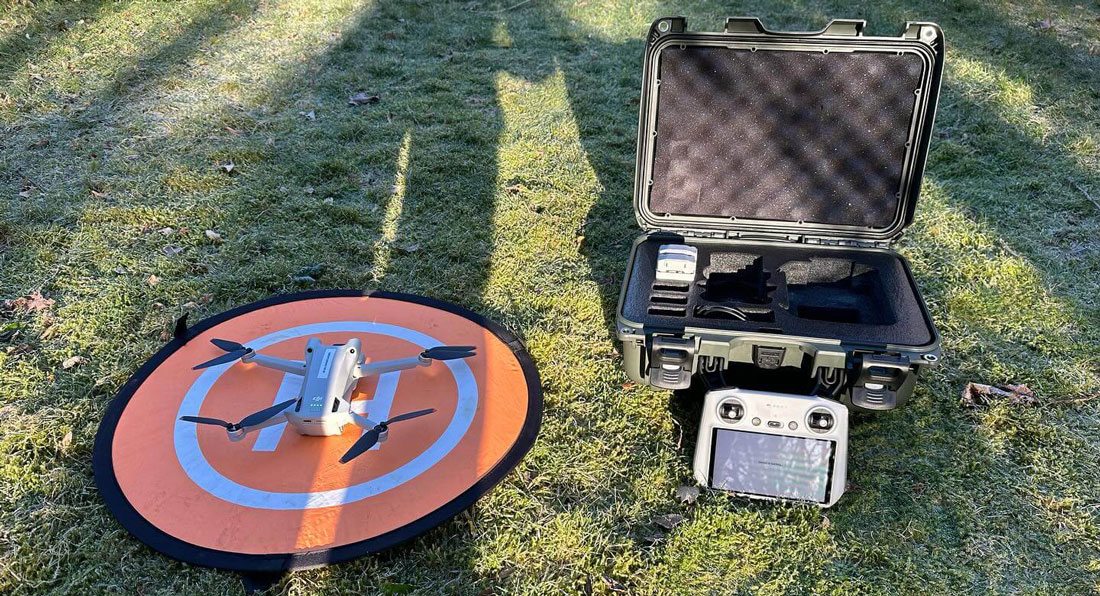
Although you may feel confident inspecting your own roof, we highly recommend arranging for a professional to do the hard work for you. This is not only safer, but also provides an opportunity to assess for damage that’s hidden from the naked eye.
At Full View, we offer post-storm roof inspections using a drone to fly over your property, combining useful technologies such as thermographic imaging and high-resolution image capture. Here’s how a typical drone inspection unfolds:
1. Pre‑Inspection Flight Planning
- The pilot checks the area for obstacles (like wires or trees) and walks around the building to decide the best route for the drone.
2. Aerial Overview Survey
- The drone will fly above the roof to capture the overall roof geometry, pitch, and layout - useful for mapping and planning closer inspections.
- This survey could be in the form of anything from photographic images to a 3D digital model of your home. For example, we offer detailed surveys, including highlights of any issues or problems with your roof's condition. However, we can also overlap 2D imagery for photogrammetric processing, and we can produce a 3D digital twin of the roof to pinpoint damage locations in context.
3. Close‑Up Flythrough
- Flying closer to the roof, the drone examines tiles, seams, and flat sections for visible damage (cracks, missing parts, dents). The drone may also inspect metal edges, pipe seals, vents, and any roof penetrations for gaps, rust, or worn-out seals.
- A popular choice for roof surveys is thermographic surveys, which can highlight areas of heat loss and identify structural weak points in your property that aren’t visible to the naked eye.
4. Interior Check for Damage
- In the attic or loft, the surveyor can manually look for damp spots, mould, water stains, or daylight coming through the boards to match interior issues with outside damage.
- As ex-roofing professionals, we know the signs of roof damage that you may miss.
5. Post-Flight Data Processing and Analysis
- You will then be provided with the high-resolution photos captured by the drone will be organised by roof area. This can vary from simple photographic images to detailed reports highlighting all issues (which is what we offer).
- At Full View, we provide our clients with an easy-to-read report summarising our findings, detailed annotated images of each issue found. These reports are especially useful for insurance claims.
Our Top Preventative Maintenance Tips
To keep the risk of storm damage to a minimum and protect your home, here’s what we recommend you do:
- Clear Debris From Roof Valleys: Remove leaves, twigs, and other buildup so water can flow freely and won’t pool under roof tiles or beneath membranes.
- Trim Overhanging Branches: Cut back any branches that hang over the roof to prevent them from snapping or scraping during strong winds.
- Repair Broken or Missing Tiles Promptly: Even a slightly loose or cracked tile can be dislodged in a storm; arrange for small issues to be fixed as soon as you spot them.
- Invest in Weather-Resistant Roof Materials: Consider using high-quality materials such as Welsh slate to better withstand hail, wind, and driven rain.
- Schedule Routine Roof Inspections: You shouldn’t just get your roof inspected after a storm; annual checks by a qualified surveyor help catch minor wear before it develops into costly problems.
For Safe, Efficient, and Cost-Effective Inspections, Contact Full View
Picking up the pieces after a heavy storm can be a stressful time, but at Full View, we aim to keep the process as straightforward as possible. We offer safe and efficient drone-based inspections conducted by ex-roofers who know exactly what to look for, assessing actual problems within your roof. Since we don’t offer repairs ourselves, we have no vested interest in finding damage that simply doesn't exist!
Our drone reports are easy to understand, eliminate any need for scaffolding, and can be given straight to your roofers or insurance company.
For more information, including how much this service will cost for your property, please give us a call and provide us with as much information as you can about the damage your property has suffered.