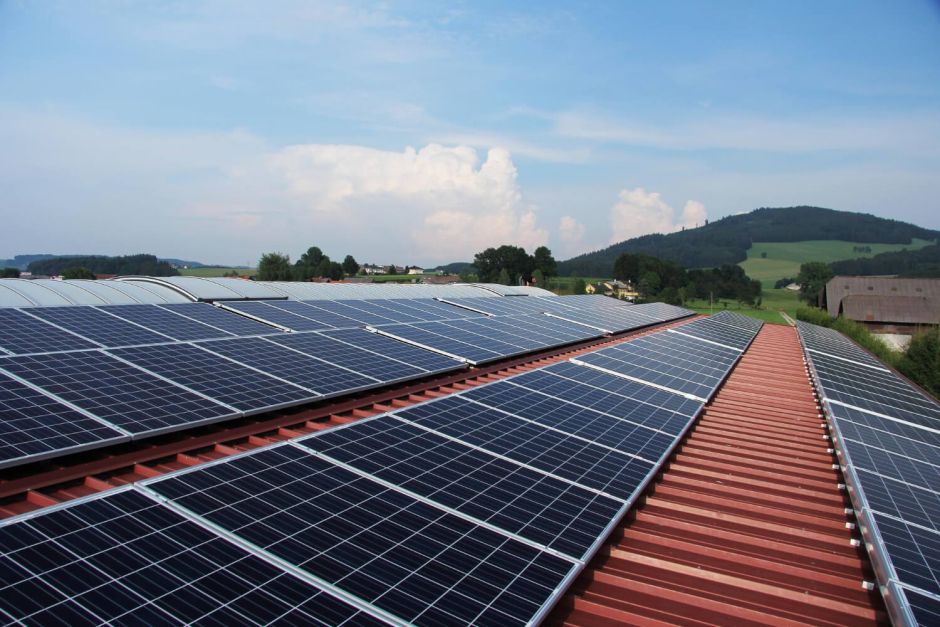
In most cases, UK roofs are suitable for solar panels. However, factors such as roof orientation, pitch, structural condition, shading and planning restrictions can all affect whether installation is straightforward.
Our surveyors regularly assess roofs for solar suitability across residential and commercial properties throughout the UK. In this guide, we explain the factors we consider when determining whether a roof is suitable for solar panels, so you know when a professional survey may be needed.
Is my roof suitable for solar panels?
What you need to check before you go ahead:
- Roof orientation
- Roof pitch
- Available space
- Structural condition
- Shading
- Planning restrictions
A professional roof survey can confirm suitability. Contact us today to see if we can help.
Contents
- What Factors Can Affect Roof Suitability for Solar Panels?
- Can My Roof Support the Weight of Solar Panels?
- Which Roof Types Work Best for Solar Panels?
- Do You Need Planning Permission for Solar Panels?
- So, Is Your Roof Suitable For Solar Panels?
What Factors Can Affect Roof Suitability for Solar Panels?
Here are the key factors that affect whether solar panels can be installed on a roof.
Roof Orientation
The direction a roof faces will impact how much sunlight solar panels will absorb.
- Best: South-facing roofs are best because they generally absorb the most sunlight during the day.
- Good: While not quite as good as south, east and west facing roofs shouldn’t be ruled out because east performs well in the morning and west does well in the afternoon and evening.
- Satisfactory: North is the weakest option because it doesn’t absorb much sunlight. However, modern technology makes this a more viable option than it once was.
Roof Pitch
The angle of a roof can have a significant bearing on solar panel performance because it affects how much sunlight the panels will capture.
The ideal roof angle for solar panels in the UK is between 30 and 40 degrees. But roofs can still perform really well if outside this bracket - although they may have a lower output, it may not be a big loss.
Solar Panels on Flat Roofs
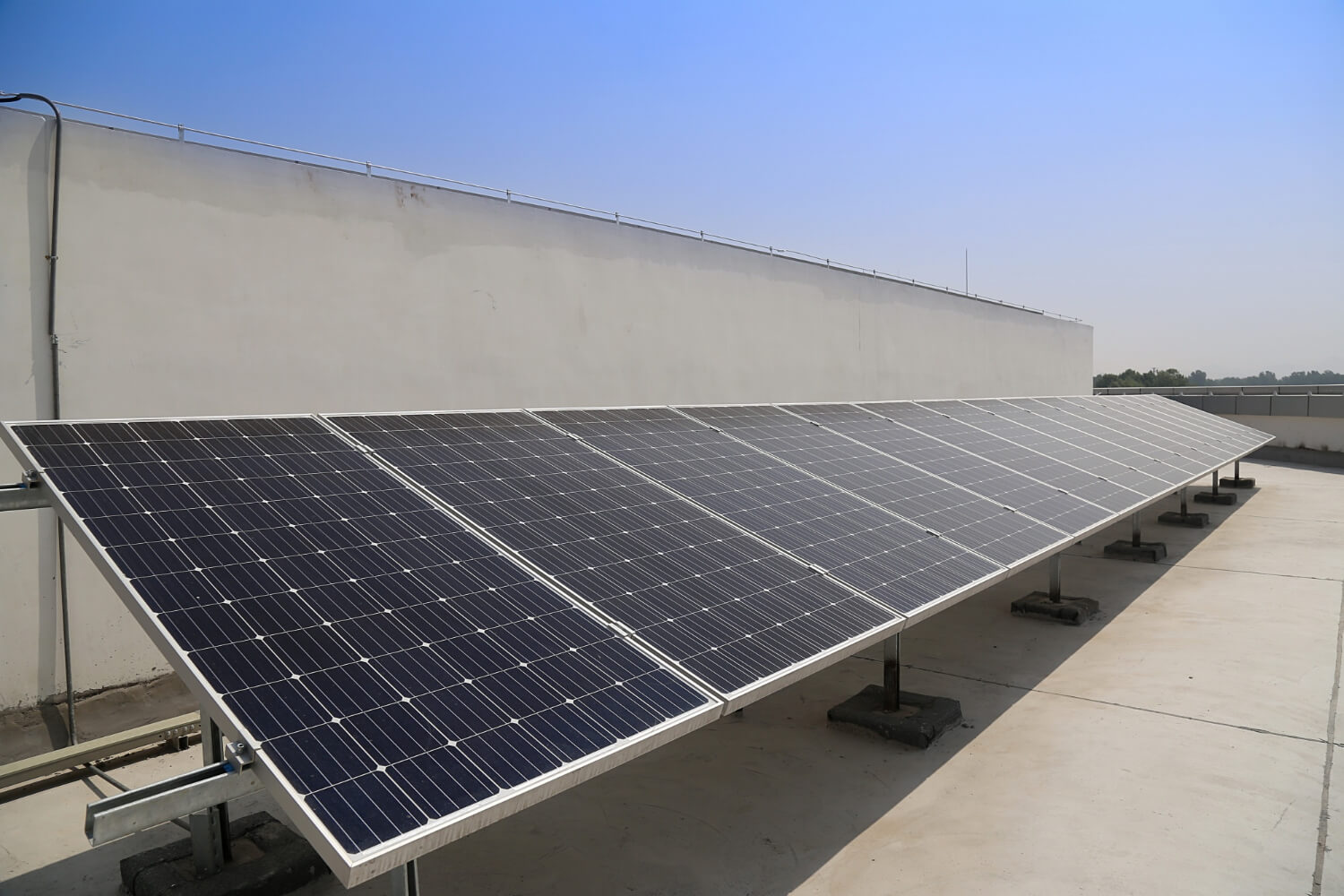
If your home or your commercial venue has a flat roof, this can still work but will require extra work; they will need to be installed on angle brackets to make sure the panels are installed at a high-performing angle.
Available Roof Space
The bigger your roof, the greater the number of solar panels you can install. Each panel takes up around 2 square metres of roof space, so available space will have a direct bearing on the size of your system.
It is worth noting that not all roof space can be used. Areas affected by shading cannot be relied upon to generate electricity, so these will need to be excluded when calculating how many panels your roof can accommodate.
Shading and Sunlight Exposure
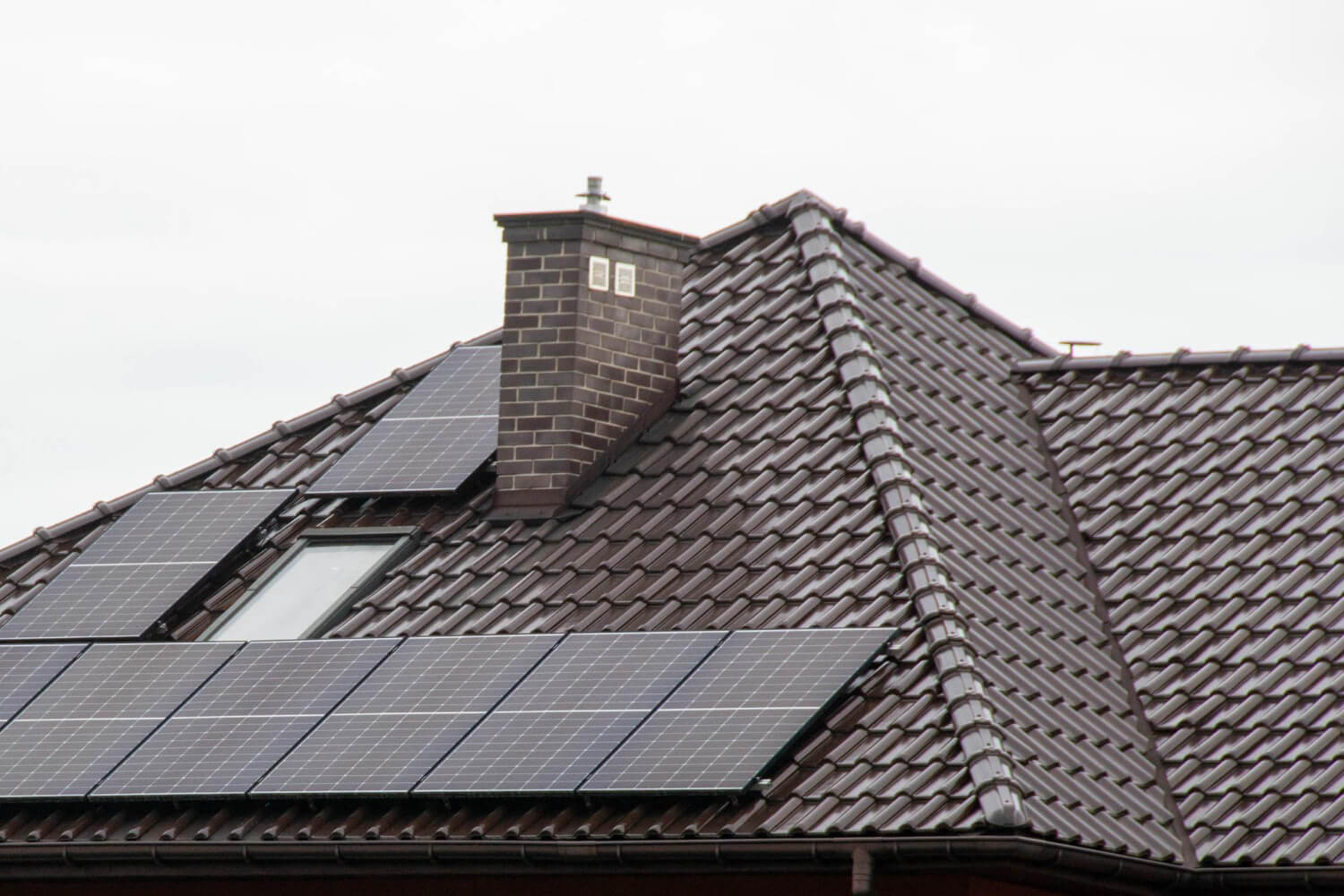
As mentioned, areas of the roof which are shaded can be a key problem for solar panels - factors such as trees and chimneys can prevent sunlight exposure to the roof, which can either decrease or completely prevent areas from being able to create electricity, and can impact the supply around the entire system.
But that doesn’t mean you can’t install. You could opt for a partial covering, or you could choose to have microinverters or power optimisers installed. These isolate the impact of shade by allowing panels to create electricity straight away, which reduces the impact across the system.
Can My Roof Support the Weight of Solar Panels?
Structural Integrity
In general, most solar panel structures weigh around 20 kg per square metre. Most residential structures have pitched roofs and are able to support this weight, but structures with flat roofs, a popular choice for commercial venues, can have problems.
This is because of the additional requirement of angle brackets, or ballasts, which need to be installed to set up the systems at a good angle. However, they can weigh up to 70 kg.
So for flat roofs, a roof inspection is important to determine whether the roof will be able to support the additional weight.
Roof Age and Condition
Solar panels are designed to be a long-term investment with a lifetime that could exceed 25 years. But this means the roof needs to be in the right state to be able to accommodate them.
A roof’s age doesn’t mean it can’t be used for solar panels, but because it is more likely to show signs of wear and deterioration, it could result in a bad investment if it can’t support the panels for a long period of time.
Older roofs may benefit from a drone roof inspection, allowing surveyors to assess condition safely and accurately.
Do You Need Planning Permission for Solar Panels?
In most cases, solar panels can be installed without planning permission under permitted development rights. However, there are some exceptions where approval may be required.
When You Might Need Planning Permission
- Listed Buildings: If your property is listed, you may need planning permission before installing solar panels, as changes to the building's appearance are subject to stricter controls.
- Conservation Areas: Planning permission may be required in some conservation areas, particularly if the panels would be visible from a public road or footpath, or where an Article 4 Direction restricts permitted development rights.
- Flats or Maisonettes: If you live in a flat or maisonette, planning rules can be more complex because you may not own the roof or external parts of the building. You may need permission from both the local authority and the building owner.
Which Roof Types Are Best Suited for Solar Panels?
Here’s a breakdown of the different roof types and how suitable they are for a solar panel system.
| Roof Type | Suitability | Notes |
|---|---|---|
| Tiled | Excellent | Usually straightforward installation, with no structural work required. |
| Slate | Good | A more specialised installation is required. Can be more expensive to install, but works well. |
| Metal | Excellent | Durable and highly compatible with a range of installation methods. |
| Asphalt | Fair | Asphalt as a material is fine. However, asphalt roofs are often flat, requiring mounting systems. |
| Thatched | Unsuitable | Fire risk. |
| Asbestos | Unsuitable | Health and safety concerns. |
| Glass | Unsuitable | Insufficient load-bearing capacity. |
So, Is Your Roof Suitable For Solar Panels?
In most cases, yes. The majority of UK roofs are suitable for solar panel installation. However, there are certain factors that can affect whether installation is straightforward, requires additional work beforehand, or needs to be worked around.
- A roof’s pitch and orientation.
- Shading issues.
- The size of a roof.
- The roof’s age.
- The roof’s structure.
- Potential planning permission requirements.
Book a Roof Survey Today!
Need to check if your roof is suitable? A professional survey and inspection can help you determine if you will be able to install solar panels on either your home or commercial property.
At Full View, we provide comprehensive, cost-effective and fast roof inspections and condition reports to make sure your roof can hold solar panels and ensure your system is built to last.
Book a professional roof survey today to find out whether your property is suitable for solar panels and avoid costly surprises during installation.
FAQs
-
Is my roof too old for solar panels?
Not necessarily. Many older roofs can support solar panels safely. However, if your roof is approaching the end of its lifespan, repairs or replacement may be recommended before installation. A professional survey can identify structural issues and help determine whether your roof is ready for a solar system.
-
Can solar panels be installed on a north-facing roof?
Yes. While south-facing roofs generally generate the most electricity in the UK, modern solar panels can still perform well on north-east and north-west-facing roofs. The potential output depends on your property's location, roof angle and shading levels.
-
How much roof space do I need for solar panels?
The amount of space required depends on the size of the system you want to install. Factors such as chimneys, skylights and access requirements can reduce usable roof space. A survey will determine how many panels your roof can realistically accommodate.
-
Can solar panels be installed on a flat roof?
Yes. Solar panels can be fitted to flat roofs using specialist mounting systems that position the panels at an optimal angle. Structural checks are particularly important for flat roofs because ballast systems can add significant weight.
-
Do solar panels damage your roof?
When installed correctly, solar panels should not damage a roof. In fact, they can help protect parts of the roof from weather exposure. Installation should always be carried out by qualified professionals following a detailed roof assessment.
-
Do I need planning permission for solar panels in the UK?
Most domestic solar panel installations fall under permitted development rights and do not require planning permission. However, listed buildings, conservation areas and some commercial properties may be subject to additional rules.
-
Can landlords install solar panels on rental properties?
Yes. Solar panels can help reduce energy costs, improve EPC ratings and enhance the appeal of rental properties. Before installation, landlords should ensure the roof is structurally suitable and capable of supporting a system for the long term.
-
How do I know if my roof can support solar panels?
The only reliable way to know is through a professional survey. While roof orientation and size are important, structural condition, shading and roof age can all influence suitability. A survey provides a clear assessment before any investment is made.